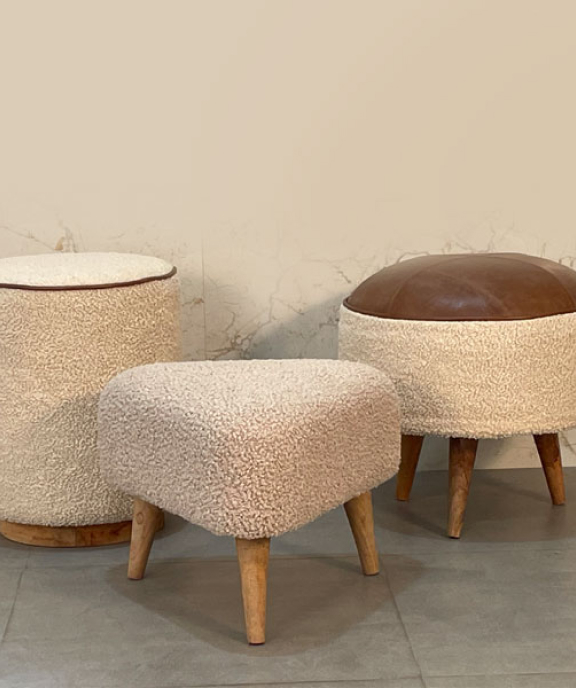
Mango Wood Furniture: Complete Guide for Budget Buyers
Mango wood furniture offers budget-friendly solid hardwood construction (₹10,000-₹50,000 for major pieces, 30-40% less than sheesham equivalents) through sustainable sourcing from retired fruit trees reaching end of productive life (25-30 years), delivering adequate hardness (Janka 1,070) and attractive golden-brown coloring with distinctive grain patterns supporting 15-25 year service lives with proper maintenance including bimonthly oiling and climate control. This comprehensive guide covers 8 essential aspects: sustainable harvesting and environmental benefits, hardness and durability expectations, distinctive grain patterns and color variations, moisture sensitivity requiring careful climate management, maintenance requirements (more intensive than premium woods), pricing structures and value propositions, ideal indoor applications avoiding moisture exposure, and comparison with alternative budget and mid-tier hardwoods including sheesham, eucalyptus, and rubberwood.
What Is Mango Wood?
Mango wood comes from Mangifera indica trees cultivated across tropical and subtropical regions primarily for fruit production, with lumber becoming available as by-product when trees reach end of productive fruiting life (typically 25-30 years) requiring removal to maintain orchard productivity. This sustainable sourcing model creates abundant wood supply at minimal environmental cost—trees already served agricultural purpose for decades before lumber harvest, eliminating dedicated forest clearing or plantation establishment purely for timber production that other furniture woods require.
The wood’s cellular structure shows moderate density (650-720 kg/m³ when dried to standard 12% moisture content) creating furniture with reasonable weight and substance without the excessive mass that very dense hardwoods produce. Mango’s grain pattern ranges from straight to slightly interlocked with occasional figure including curly or spalted patterns where fungal staining creates decorative black lines and patches adding visual interest to otherwise plain grain.
Mango wood’s emergence as furniture material proves relatively recent—until 1990s-2000s, most mango trees were burned as agricultural waste after removal, with lumber recovery considered uneconomical due to irregular tree form, relatively small usable timber volume per tree, and lack of market recognition. Improved kiln-drying technology, growing furniture demand in India and export markets, and increasing environmental consciousness around sustainable materials transformed this agricultural waste into viable furniture lumber creating new income stream for fruit farmers while providing affordable solid wood furniture option for budget-conscious consumers.
In Indian furniture markets, mango wood occupies entry-level solid hardwood category positioned below sheesham (India’s most popular mid-tier furniture wood) and substantially below premium imports like teak, oak, or walnut. Pricing proves 30-40% lower than sheesham equivalents, making mango wood accessible to buyers unable to afford traditional furniture hardwoods while still seeking genuine solid wood construction over particleboard or veneer alternatives dominating budget furniture segments.
For context on how mango wood compares across the full range of furniture woods available in India, see our comprehensive solid wood furniture complete guide covering all common species with detailed attribute comparisons including sustainability credentials, hardness ratings, moisture resistance, and application suitability assessments.
Mango Wood Sustainability and Environmental Benefits
Mango wood furniture’s primary distinguishing characteristic lies in exceptional sustainability—lumber sourced from agricultural by-product rather than dedicated forestry operations, creating furniture with minimal environmental impact that alternative hardwoods cannot match.
Agricultural By-Product Sourcing
Mango trees reach peak fruit production at 10-15 years of age, maintaining high productivity for 15-20 years before declining yields make trees economically unviable for continued fruit farming. Orchard managers remove these 25-35 year old trees replacing them with young productive stock, creating continuous supply of mature trees available for lumber conversion without requiring any forest clearing, plantation establishment, or dedicated timber growing that consumes agricultural land or natural habitat.
This sourcing model generates estimated 2-3 million cubic meters of mango lumber annually in India alone—substantial volume supporting large-scale furniture manufacturing without creating pressure on natural forests or requiring land use changes that other timber species demand. The trees served primary agricultural function for 25-30 years before lumber harvest, making wood availability purely incremental benefit rather than primary purpose justifying tree cultivation.
Contrast this with sheesham, teak, or oak requiring dedicated timber plantations or natural forest harvest—these woods demand land specifically allocated to timber production (sheesham plantation rotation 15-25 years, teak 25-80 years depending on quality grade), creating opportunity costs where land could alternatively support food production or remain natural habitat. Mango wood avoids these trade-offs by utilizing trees grown for fruit, making it genuinely carbon-neutral or carbon-positive material when accounting for decades of carbon sequestration during tree’s productive fruit-bearing years.
Small-scale farmers particularly benefit from mango lumber market development—previously, tree removal created disposal costs (cutting, hauling, burning) reducing orchard renovation profitability. Lumber sales to furniture manufacturers now generate ₹15,000-₹40,000 per tree (depending on size, wood quality, and local market conditions), transforming cost center into profit opportunity improving agricultural economics while supporting local employment in lumber processing and furniture manufacturing sectors.
Carbon Footprint and Environmental Impact
Mango wood furniture carries minimal carbon footprint—trees grow locally near furniture manufacturing centers across India, eliminating international shipping emissions that imported woods (teak from Myanmar/Thailand, oak from North America/Europe, walnut from USA) generate. Domestic transportation distances average 100-300km from orchard to sawmill to furniture factory, versus 5,000-15,000km for imported alternatives creating 10-50× higher transportation emissions.
The wood requires minimal processing—no chemical treatments necessary for indoor furniture applications, standard kiln-drying adequately prepares lumber for manufacturing, and moderate hardness allows working with conventional tooling without specialized equipment or excessive energy consumption that very dense hardwoods demand. This simple processing creates furniture with embodied energy substantially lower than alternatives requiring intensive preparation (pressure-treated woods), long-distance transportation (imports), or energy-intensive manufacturing (very hard woods dulling tools rapidly).
End-of-life disposal proves environmentally benign—mango wood furniture naturally biodegrades when eventually discarded after 15-25 years of service, or can be repurposed for other wood projects, burned for energy recovery, or composted returning carbon to soil. Contrast this with particleboard or MDF furniture containing formaldehyde adhesives creating toxic emissions during disposal, or plastic/metal furniture persisting in landfills indefinitely without biodegrading.
Forest Stewardship Council (FSC) or similar certifications rarely apply to mango wood as sourcing from agricultural operations falls outside traditional forestry certification schemes, though the fundamental sustainability (agricultural by-product, local sourcing, minimal processing) arguably exceeds certified forestry operations clearing natural forests or establishing monoculture plantations. Some furniture manufacturers obtain documentation verifying agricultural sourcing providing assurance to environmentally-conscious buyers seeking proof of sustainability claims.
Supporting Agricultural Communities
Mango lumber market creates economic benefits for farming communities—tree removal generates revenue (₹15,000-₹40,000 per tree) offsetting orchard renovation costs while supporting local sawmills providing employment in rural areas where manufacturing jobs prove scarce. This rural employment impact proves particularly valuable in agricultural regions where farming alone generates insufficient income supporting local populations, creating economic diversification improving community resilience.
The lumber supply chain typically involves small-scale actors—individual farmers selling trees to local lumber dealers, small sawmills processing logs into rough lumber, and regional furniture manufacturers purchasing material from multiple small suppliers. This decentralized structure distributes economic benefits across many participants rather than concentrating profits with large corporations or distant landowners, creating more equitable distribution of value generated through furniture production.
Women’s economic participation increases through mango wood furniture manufacturing—many small furniture workshops employ women for finishing, assembly, and quality control tasks providing income opportunities in communities where traditional agricultural work remains male-dominated. While gender equity varies by manufacturer and region, mango wood furniture’s small-scale production structure generally creates more accessible employment opportunities than large industrial operations with more rigid labor practices.
Social enterprises and fair-trade organizations increasingly specify mango wood for furniture production precisely because supply chain structure facilitates direct relationships with farming communities, transparent pricing, and verification that economic benefits reach tree growers rather than being captured by intermediaries. These values-driven manufacturers position mango wood furniture as ethical choice combining environmental sustainability with social impact, appealing to conscious consumers prioritizing these considerations beyond pure functional or aesthetic furniture characteristics.
Mango Wood Hardness and Durability Performance
Mango wood furniture delivers moderate hardness (Janka 1,070) adequate for all indoor furniture applications receiving reasonable care, while moisture sensitivity and relatively short lifespan (15-25 years with proper maintenance) position it as budget option for buyers accepting performance trade-offs in exchange for lower initial investment.
Hardness and Scratch Resistance
Mango wood’s Janka hardness rating (1,070) places it in mid-range hardwood category—harder than walnut (1,010-1,050), cherry (995), and substantially harder than pine (380-560), while softer than oak (1,290-1,400), sheesham (900-1,200 in lower range, overlapping mango at upper range), and acacia (1,750-2,000). This moderate hardness proves adequate for dining tables, bedroom furniture, living room pieces, and office furniture experiencing normal residential use without developing excessive surface wear.
The wood’s relatively uniform density creates consistent hardness across surfaces without the hard/soft grain variation that ring-porous woods (oak, ash) show, resulting in even wear patterns that age gracefully rather than showing pronounced grain highlighting where soft areas wear faster than hard grain lines. This characteristic allows mango furniture developing attractive patina through use rather than the uneven wear appearance that coarse-grained woods sometimes exhibit.
Mango wood dining tables show visible wear patterns after 10-15 years of daily family use—light scratches, minor dents from dropped utensils, and finish wear at high-contact areas like table edges and corners where arms rest. This wear progression occurs faster than harder alternatives (oak, sheesham in upper hardness range) but slower than soft woods (pine, poplar), creating furniture that tolerates reasonable use while requiring more careful handling preventing excessive damage.
For applications demanding maximum scratch resistance—commercial restaurant tables, institutional furniture, high-traffic office desks—mango wood’s moderate hardness proves marginal and harder alternatives like oak or sheesham deliver superior long-term appearance. However, residential furniture receiving normal care with placemats, coasters, and basic caution finds mango’s hardness entirely adequate supporting 15-20 years of service before visible wear accumulation necessitates refinishing or replacement.
Structural Strength and Load-Bearing
Mango wood’s structural strength measured through modulus of rupture (bending strength) reaches approximately 10,200 psi—adequate for furniture structural requirements though not exceptional when compared to premium hardwoods (oak 14,300 psi, hard maple 15,800 psi). This moderate strength allows mango furniture supporting typical loads including dining table service, bedroom furniture bearing mattress and occupant weight, and bookshelf book loading without deflection or structural concerns when properly constructed.
The wood’s compression strength (approximately 6,800 psi parallel to grain) creates furniture legs and structural members resisting crushing under sustained loads adequate for residential applications, though showing more compression over time than harder alternatives. Mango dining chairs maintain reasonable structural integrity across 5,000-8,000 seating cycles before showing signs of wear at high-stress joints, while harder woods like oak or sheesham last 15,000-20,000 cycles before similar wear appears.
Proper construction methods prove more critical for mango wood than harder alternatives—traditional mortise-and-tenon joinery, adequate leg dimensions (minimum 8cm square for table legs, 6-7cm for chair legs), and proper bracing create mango furniture lasting 15-20 years, while inferior pocket-screw assembly or undersized components result in premature failure within 5-8 years regardless of wood species. Budget furniture manufacturers sometimes combine mango wood with cheap construction methods creating products that fail prematurely, unfairly damaging mango wood’s reputation when construction rather than wood selection caused failure.
Bookshelf applications reveal mango wood’s structural limitations—shelves thicker than 25mm and spans shorter than 80cm prove necessary preventing visible deflection under book loading (200-250 books per meter of shelf length typical), while harder woods tolerate thinner shelves and longer spans without sagging. These design constraints affect furniture aesthetics and functionality but prove manageable through appropriate engineering accommodating wood’s structural characteristics.
Expected Lifespan and Longevity
Mango wood furniture maintained with bimonthly oiling and proper climate control lasts 15-25 years in daily residential use before requiring replacement due to accumulated wear, joint loosening from wood movement, or finish deterioration—adequate lifespan for budget furniture though substantially shorter than premium alternatives (sheesham 25-35 years, oak 30-50 years, teak 40-75 years outdoor). This shorter lifespan reflects mango wood’s moderate hardness, significant moisture movement, and relatively low natural durability that even good maintenance cannot completely overcome.
The wood’s performance proves highly maintenance-dependent—furniture receiving consistent bimonthly oiling and climate control (40-50% relative humidity year-round) achieves upper lifespan range (20-25 years), while neglected furniture in poorly-controlled conditions fails after 10-15 years through excessive moisture movement loosening joints, surface deterioration from inadequate finish protection, and moisture-related decay in high-humidity environments. This maintenance sensitivity exceeds premium woods tolerating irregular care without dramatic performance deterioration.
Realistic buyer expectations prove critical for satisfaction—mango wood furniture purchased understanding 15-20 year expected lifespan at budget pricing (₹25,000-₹35,000 for dining table) creates satisfied customers appreciating value received, while buyers expecting 30-40 year heirloom furniture become disappointed when mango’s inherent limitations manifest regardless of care quality. Furniture retailers should clearly communicate performance expectations preventing unrealistic assumptions that create dissatisfaction when wood behaves according to its natural characteristics.
Replacement economics favor mango wood for certain buyers—purchasing ₹30,000 mango dining table every 15-20 years costs ₹1,500-₹2,000 annually, while ₹45,000 sheesham table lasting 30 years costs ₹1,500 annually and ₹85,000 oak table lasting 40 years costs ₹2,125 annually. These similar annual costs make species selection depend on cash flow considerations (lower upfront cost versus better long-term value) and aesthetic preferences rather than dramatic economic differences, validating mango wood as rational choice for budget-conscious buyers.
Review comprehensive durability analysis across all furniture woods in our solid wood furniture durability ratings guide comparing hardness, structural strength, moisture movement, expected lifespan, and maintenance sensitivity helping buyers evaluate realistic performance expectations for different wood species and price points.
Mango Wood Grain Patterns and Appearance
Mango wood furniture displays attractive grain patterns ranging from straight to slightly figured, with golden-brown to medium brown coloring and occasional spalting (fungal staining creating decorative black lines) adding visual interest distinguishing mango from plain-grain alternatives.
Natural Grain Characteristics
Mango wood shows medium texture with visible pores creating slightly coarse surface feel—smoother than very open-grained woods like oak or ash but coarser than tight-grained alternatives like maple or cherry. The grain typically runs straight to slightly interlocked creating subtle wave patterns adding visual movement without the dramatic figure that highly figured woods (quilted maple, curly walnut) display, producing furniture with casual, approachable aesthetic suitable for relaxed interior designs.
Grain highlighting through oil finishing reveals mango’s natural character—the wood accepts oil readily with color deepening attractively showing grain patterns more prominently than unfinished surfaces. This enhancement through finishing allows mango competing aesthetically with more expensive alternatives, particularly when figured boards with curly or wavy grain are selected for visible furniture surfaces creating visual impact disproportionate to material cost.
Color variation within boards adds visual interest—lighter sapwood (cream to pale tan) contrasting with darker heartwood (golden to medium brown) creates natural color variation that some buyers find appealingly rustic while others perceive as inconsistent or low quality. Budget furniture manufacturers often mix sapwood and heartwood reducing waste and controlling costs, while premium mango furniture specifies heartwood-only for visible surfaces creating more uniform appearance commanding higher pricing.
Spalted mango—wood affected by fungal staining during drying or storage creating decorative black zone lines and color variations—commands premium pricing (20-40% above standard mango) when incorporated into furniture as decorative accent. These spalted sections show distinctive black lines outlining zones of color variation from cream through tan to brown, creating organic artwork within wood that each piece displays uniquely making spalted mango furniture one-of-a-kind rather than mass-produced commodity.
Color Development and Aging
New mango wood furniture displays golden to medium brown coloring with warm undertones creating inviting appearance that coordinates easily with diverse interior color schemes and design styles. The wood darkens gradually through oxidation and light exposure, developing richer brown tones over 3-5 years that many owners prefer to new wood’s lighter appearance, though color change proves less dramatic than woods showing extreme darkening (cherry, walnut) or weathering (teak outdoors).
UV exposure accelerates darkening—furniture in direct sun exposure (south or west-facing windows receiving 4+ hours daily direct sunlight) shows more rapid and extensive color development than pieces in shaded locations, sometimes creating uneven coloring where sun-exposed sections darken while shaded areas remain lighter. Rotating decorative objects and repositioning furniture every 6-12 months equalizes exposure preventing permanent shadow marks that require professional refinishing for removal.
The wood’s color proves somewhat unstable compared to premium alternatives—excessive UV exposure can cause fading where intense radiation degrades wood fibers faster than natural darkening processes, creating bleached appearance requiring refinishing restoration. This UV sensitivity requires window treatments (curtains, blinds, UV-filtering films) for furniture in intense sun exposure, or acceptance that color evolution may progress beyond desirable appearance requiring eventual refinishing intervention.
Finish selection dramatically affects color appearance—clear oil finishes maintain natural golden-brown tones while adding depth and richness, amber shellac creates antique appearance with orange undertones, dark stains (walnut, espresso) transform mango into convincing faux-walnut or faux-mahogany at fraction of those premium woods’ cost. This finishing flexibility allows mango furniture achieving diverse aesthetics through finish selection, creating value through appearance customization that solid premium woods resist when buyers prefer natural unstained coloring.
Comparison with Alternative Budget Woods
Pine furniture shows lighter coloring (cream to pale yellow) and more pronounced knot patterns creating casual rustic aesthetic distinctly different from mango’s warmer brown tones and cleaner grain, with pine proving softer (Janka 380-560) and less durable making mango superior choice for buyers seeking budget hardwood rather than softwood furniture. Pine’s lower cost (30-50% below mango) creates further budget option for buyers accepting softwood limitations.
Rubberwood (plantation-grown Hevea brasiliensis from retired rubber tree plantations) shows similar sustainability credentials as mango (agricultural by-product sourcing) with lighter coloring (pale cream to light tan), straight grain lacking character, and comparable hardness (Janka 980-1,120). Rubberwood and mango compete directly in budget furniture markets with selection depending primarily on color preference (light versus medium-brown) and availability in regional markets.
Acacia wood costs similar to mango (sometimes 10-20% higher) while offering superior hardness (Janka 1,750-2,000) and better outdoor durability, though showing darker brown coloring and coarser texture that some buyers find less appealing than mango’s golden tones. For buyers prioritizing maximum hardness at budget pricing, acacia provides better value, while those seeking attractive appearance and indoor furniture applications find mango’s aesthetic advantages justifying comparable pricing despite lower hardness.
Eucalyptus costs similar to mango with comparable hardness (Janka 1,125) but shows less attractive grain (very straight, minimal character) and reddish-brown coloring with pink undertones that coordinate less easily with diverse interior designs than mango’s neutral golden-brown. Regional availability often determines selection between these comparable-performance woods, with mango dominating northern India while eucalyptus proves more available in southern regions where plantation forestry focuses on this fast-growing species.
Mango Wood Moisture Sensitivity and Climate Considerations
Mango wood furniture’s primary performance limitation lies in significant moisture sensitivity—the wood shows substantial dimensional changes across humidity cycles requiring careful climate management preventing warping, joint loosening, and surface cracking that moisture movement creates when humidity fluctuates beyond moderate ranges.
Moisture Movement and Dimensional Instability
Mango wood’s moisture content equilibrium varies dramatically with ambient humidity—the wood absorbs moisture rapidly in humid conditions (reaching 14-18% moisture content at 70%+ relative humidity) and releases moisture quickly in dry environments (dropping to 6-8% at 30-40% RH). This sensitivity creates dimensional changes measuring 3-5mm across 100cm width in solid panels, substantially exceeding stable hardwoods like teak (0.8-1.2mm) or oak (1.5-2.0mm) experiencing identical humidity cycling.
The wood’s tangential shrinkage (8.1% from green to oven-dry) and radial shrinkage (5.6%) prove high among furniture hardwoods, creating furniture that moves noticeably across seasonal humidity variations even when humidity remains within nominally acceptable ranges (35-65% RH). This movement loosens joints over time as wood expands beyond joint capacity then shrinks leaving gaps, creates surface cracks as internal stress from differential movement exceeds wood’s structural strength, and causes panel warping when moisture absorption occurs unevenly across board thickness.
Proper construction methods partially mitigate movement effects—frame-and-panel assemblies with floating panels accommodate expansion and contraction without stress accumulation, breadboard ends on wide panels use elongated fastener holes allowing longitudinal movement, and joinery sized generously provides clearance accommodating wood expansion without binding. However, these construction adaptations add manufacturing complexity and cost that budget furniture producers sometimes skip, creating pieces that fail prematurely through movement-related problems that proper engineering would prevent.
Geographic location dramatically affects mango furniture performance—pieces in climate-controlled urban apartments maintaining 40-50% RH year-round show minimal movement problems lasting 20-25 years, while furniture in poorly-controlled conditions or highly variable climates (coastal monsoon regions, areas with extreme seasonal variation) experience accelerated deterioration requiring replacement after 10-15 years despite being physically identical pieces from same manufacturer.
Climate-Specific Performance Challenges
Coastal high-humidity regions (Mumbai, Chennai, Goa, Kerala experiencing 70-90% relative humidity during monsoon season) prove particularly challenging for mango furniture—sustained high moisture content causes swelling that binds drawers, misaligns doors, and loosens joints as wood expands beyond design tolerances. The wood’s low natural decay resistance (no significant rot-resistant compounds like teak’s natural oils) makes moisture-saturated mango vulnerable to fungal colonization and decay within 3-5 years of sustained exposure to 80%+ humidity without adequate climate control.
Dehumidification proves essential for mango furniture longevity in coastal areas—maintaining 50-60% indoor relative humidity during monsoon season prevents excessive moisture uptake that creates problems, though this climate control requirement adds ongoing operating costs (electricity for dehumidifiers) that accumulate across furniture ownership period. Buyers in coastal regions should factor these climate control expenses into total ownership cost when comparing mango against more moisture-tolerant alternatives like teak or even mid-tier options like sheesham showing better humidity tolerance.
Desert inland climates (Rajasthan, Gujarat, parts of Maharashtra with 20-40% relative humidity and intense dry heat) create opposite challenge—excessive drying causes mango wood shrinking beyond normal dimensions creating surface cracks, joint gaps, and panel warping from extreme moisture loss. Monthly oiling proves insufficient preventing these problems in severely dry conditions, requiring room humidifiers maintaining 40-45% RH protecting furniture from excessive drying while staying below levels promoting mold growth or human discomfort.
Monsoon-to-summer humidity cycling characteristic of much of India creates worst conditions for mango furniture—wood absorbs moisture during 3-4 month monsoon period swelling substantially, then releases moisture rapidly during hot dry summer creating shrinkage stress. This annual cycling accelerates joint loosening and surface cracking versus stable conditions, reducing furniture lifespan 30-50% compared to climate-controlled environments maintaining consistent humidity year-round.
High-altitude cool climates (Shimla, Darjeeling, Ooty) generally favor mango furniture through moderate humidity (45-60% typical), limited temperature extremes, and reduced insect pressure creating benign conditions where wood performs near upper range of expected lifespan. However, unheated homes experiencing temperature cycling from cold nights to warmer days create condensation on furniture surfaces when transitioning from below to above dew point, requiring adequate ventilation preventing sustained moisture contact that could initiate decay even in otherwise favorable climate zones.
Indoor-Only Suitability
Mango wood furniture proves completely unsuitable for outdoor placement—the wood’s low natural decay resistance and high moisture absorption create conditions for rapid rot development, with outdoor mango furniture showing visible decay within 12-18 months of uncovered placement even with regular maintenance including monthly oiling. This outdoor vulnerability limits mango to indoor applications where weather exposure doesn’t occur and humidity remains within manageable ranges through building enclosure and climate control.
Covered outdoor locations (roofed patios, screened verandahs) provide marginal improvement but still prove problematic—while direct rain exposure doesn’t occur, high ambient humidity during monsoon season saturates wood creating decay risk, and seasonal humidity cycling creates movement problems loosening joints and warping panels. Budget buyers sometimes attempt using mango for covered outdoor furniture accepting limited 5-8 year lifespan, though this practice generally results in disappointment as furniture deteriorates faster than expected creating poor value even at low initial cost.
Bathroom and kitchen applications require caution—while furniture remains technically indoors, sustained humidity exposure from showers (bathrooms) or cooking activities (kitchens) creates elevated moisture conditions that accelerate mango wood deterioration. Bathroom vanities should use moisture-resistant species (teak, treated woods) rather than mango, and kitchen cabinets benefit from alternatives showing better humidity tolerance preventing warping and decay from sustained moisture exposure characteristic of these high-humidity rooms.
The wood works well for bedrooms, living rooms, dining rooms, and offices in climate-controlled homes—these typical residential applications provide moderate stable conditions where mango furniture performs adequately across 15-20 year lifespan with reasonable maintenance. Buyers should understand mango’s limitations accepting indoor-only use and climate control requirements rather than expecting versatility that more durable alternatives provide through better moisture resistance and dimensional stability.
For climate-specific furniture guidance including regional recommendations and moisture management strategies, see our comprehensive solid wood furniture for humid climates guide covering wood selection, care adjustments, and expected performance across India’s diverse climate zones from coastal to desert to high-altitude conditions.
Mango Wood Maintenance Requirements
Mango wood furniture requires more intensive maintenance than premium alternatives—bimonthly oiling versus quarterly for sheesham or optional for teak, careful climate monitoring, and periodic inspection for moisture-related problems—creating ongoing time and material investment that partially offsets initial cost savings versus lower-maintenance species.
Oiling and Finish Care
Apply furniture oil every 2 months (6 times annually) maintaining wood’s internal moisture content and preventing excessive drying or moisture absorption across humidity variations—this frequency exceeds premium woods’ requirements (sheesham quarterly, oak quarterly, teak optional) reflecting mango’s high moisture sensitivity demanding more frequent protective treatment maintaining stable moisture levels. Use tung oil, boiled linseed oil, or dedicated furniture oils applying with lint-free cloths, allowing 20-30 minutes absorption, then buffing excess preventing sticky residue.
First oiling on new furniture requires heavier application as factory finishing often proves minimal with wood absorbing readily—expect using 2-3× normal oil quantity achieving adequate penetration providing baseline protection. Subsequent applications require less volume as wood remains better sealed between maintenance cycles, reducing ongoing product costs though application frequency remains unchanged regardless of absorption rate variations.
Film finishes (polyurethane, lacquer) reduce oiling frequency to annually but require more extensive refinishing when surface deterioration necessitates renewal—light sanding removing damaged finish followed by 2-3 fresh coats creates labor-intensive maintenance occurring less frequently than oiling but demanding more effort per occurrence. Budget furniture manufacturers sometimes use low-quality finishes failing within 3-5 years creating premature refinishing requirements that proper initial finishing would postpone 8-12 years.
The wood’s open grain structure requires adequate finish application achieving proper penetration—thin or insufficient finish application leaves wood inadequately protected allowing moisture penetration that creates the dimensional movement problems proper finishing prevents. Quality furniture should show well-filled grain with smooth satin surfaces indicating adequate finish material application, while rough grainy texture suggests insufficient finishing leaving wood vulnerable to moisture-related problems.
Climate Control and Monitoring
Maintain 40-50% relative humidity year-round using dehumidifiers during monsoon season and humidifiers during dry periods, creating stable conditions that minimize moisture cycling and associated dimensional movement. This climate control requirement adds operating costs (electricity for devices, device purchase/maintenance) accumulating to ₹2,000-₹5,000 annually depending on climate severity and home size, creating hidden ownership costs that specifications and pricing information rarely communicate to buyers.
Monitor furniture quarterly for early problem signs including surface roughness indicating grain raising from moisture absorption, visible cracks along grain direction, gaps appearing at joints where boards meet, and warped panels showing cupping or bowing. Address problems immediately through increased oiling frequency (weekly or biweekly until conditions improve) and climate control adjustments, preventing minor issues progressing to major damage requiring expensive professional repair or premature replacement.
Position furniture away from heat sources (radiators, heating vents) creating localized temperature differences that drive moisture from wood faster than ambient conditions, and away from exterior walls where condensation occurs in temperature-difference situations creating moisture exposure accelerating decay risk. Adequate air circulation around and behind large case pieces (wardrobes, bookcases) prevents moisture accumulation in restricted spaces that would create mold growth and wood deterioration.
Seasonal care adjustments prove essential—increase oiling frequency to monthly during transition periods (end of monsoon, start of hot dry summer) when humidity changes most rapidly creating maximum stress on wood, and inspect more frequently during these challenging periods catching problems early before significant damage accumulates. This seasonal attention allows managing mango wood’s moisture sensitivity through proactive intervention rather than reactive problem remediation after damage occurs.
Cleaning and Routine Care
Dust weekly with dry microfiber cloths removing surface debris before it accumulates—mango’s slightly coarse texture collects dust more readily than smooth tight-grained woods, requiring consistent attention maintaining clean appearance without discoloration from embedded dirt. Vacuum carved details and crevices monthly using soft brush attachments reaching areas where flat cloths cannot effectively clean.
Clean quarterly using barely-damp cloths (not wet—cloths should feel just barely moist to touch) followed immediately by thorough drying with separate dry cloths, removing light soiling and hand oils without introducing excessive moisture that mango’s high absorption would allow penetrating into wood structure. Never saturate cloths or apply water directly to mango furniture—the wood’s porosity and moisture sensitivity create high risk of water damage from careless cleaning that moisture-resistant woods tolerate without problems.
Address spills immediately with dry absorbent cloths—mango’s rapid moisture absorption requires faster response than less porous woods, with critical window being 3-5 minutes (versus 10-15 minutes for teak or oak) before permanent damage occurs. Water creates white rings or dark stains, alcohol removes finish, and acidic liquids etch surfaces, with all damage types occurring faster and more severely in mango than in denser or more moisture-resistant alternatives.
Avoid harsh chemicals—mango’s relatively soft nature shows damage from aggressive cleaners that harder woods tolerate, including ammonia that darkens wood through tannin reactions, bleach that lightens coloring unevenly, and silicone polishes that build into sticky films. Use pH-neutral furniture cleaners formulated specifically for natural wood, or mild soap solution (1 tablespoon dish soap per liter water) for occasional deep cleaning when accumulated soiling requires more than simple dusting.
For comprehensive maintenance guidance covering all furniture woods including mango-specific care schedules, see our detailed solid wood furniture maintenance guide providing seasonal checklists, product recommendations, climate-specific adjustments, and troubleshooting for moisture-related problems characteristic of high-movement species.
Mango Wood Furniture Pricing and Value Proposition
Mango wood furniture occupies budget solid hardwood category (₹10,000-₹50,000 for major pieces) positioned 30-40% below sheesham equivalents, creating accessible entry point to genuine solid wood furniture for buyers unable or unwilling to invest premium amounts while accepting performance compromises versus mid-tier and premium alternatives.
Price Ranges by Furniture Type
Mango wood dining tables (6-seater, 160cm × 90cm) cost ₹20,000-₹35,000 depending on design complexity, wood grade (sapwood content versus heartwood-only), and finish quality. Simple four-leg tables with basic construction start around ₹20,000-₹25,000, while tables featuring carved details, extension mechanisms, or spalted wood sections reach ₹30,000-₹35,000 reflecting additional material selection and manufacturing effort. These prices prove 30-40% below equivalent sheesham tables (₹28,000-₹50,000) and 60-70% below oak alternatives (₹50,000-₹85,000).
Mango wood bedroom furniture costs ₹35,000-₹85,000 for complete sets (queen bed frame, two nightstands, wardrobe) depending on wardrobe size, drawer quantity, and construction quality. Budget sets using simplified construction and mixed sapwood/heartwood begin around ₹35,000-₹45,000, while premium mango sets with proper joinery, heartwood-only construction, and quality finishes reach ₹65,000-₹85,000 approaching lower-tier sheesham pricing but remaining below mid-tier sheesham sets (₹75,000-₹120,000).
Individual mango pieces span modest ranges: coffee tables ₹8,000-₹18,000, bookshelves ₹12,000-₹28,000, office desks ₹15,000-₹35,000, dining chairs ₹3,000-₹6,000 per chair. Simple designs without extensive joinery or figured wood occupy lower ranges accessible to budget-conscious buyers, while pieces showcasing spalted wood, carved details, or quality construction reach upper pricing approaching budget sheesham or low-tier imported rubberwood furniture.
Complete furnished room packages prove affordable with mango—full bedroom (bed + nightstands + wardrobe + dresser) for ₹50,000-₹90,000, dining room (table + 6 chairs + sideboard) for ₹40,000-₹70,000, living room (coffee table + TV unit + bookshelf + console) for ₹35,000-₹65,000. These total-room costs make furnishing entire apartments or homes achievable at ₹125,000-₹225,000 versus ₹200,000-₹400,000 using sheesham throughout or ₹400,000-₹800,000 for premium woods, explaining mango’s popularity among first-time homeowners, renters, and budget-conscious buyers requiring complete furniture solutions at accessible pricing.
Cost Factors and Manufacturing Economics
Raw material costs prove low—mango lumber costs manufacturers ₹1,500-₹2,500 per cubic foot versus sheesham at ₹3,000-₹5,000 and imported woods at ₹6,000-₹18,000, creating 40-60% material cost advantage that manufacturers pass partially to consumers through retail pricing while retaining some savings as improved margin compensating for other cost factors. This material advantage stems from agricultural by-product sourcing creating lumber availability without dedicated forestry investment that other species require.
Manufacturing labor costs prove comparable to other hardwoods—mango’s moderate hardness allows working with standard tooling without excessive tool wear, machining time per piece approximates sheesham or other mid-hardness species, and finishing requirements match alternatives rather than demanding specialized treatment. This labor parity means mango’s lower retail pricing stems almost entirely from material cost advantages rather than manufacturing efficiencies, explaining why mango furniture with equivalent construction quality costs only 30-40% less than alternatives rather than 50-70% less that material cost differences alone might suggest.
Transport and logistics costs prove minimal—mango sourcing from agricultural regions distributed across India creates short transportation distances (100-300km average from orchard to manufacturer), stable supply through continuous orchard renewal cycles, and minimal import complications that affect international woods. These logistics advantages reduce working capital requirements (less inventory investment needed when supply proves reliable and nearby) and eliminate currency exchange risks that imported lumber creates, contributing to pricing stability and cost competitiveness.
Quality variation affects pricing substantially—budget mango furniture using mixed sapwood/heartwood, simplified joinery (pocket screws versus mortise-and-tenon), and minimal finishing costs 40-50% less than premium mango furniture specifying heartwood-only construction, traditional joinery, and quality finish application. Buyers should evaluate construction quality rather than assuming all mango furniture delivers equivalent value, as premium mango with proper construction approaches budget sheesham pricing while delivering better appearance through attractive grain and golden coloring even when durability remains inferior to sheesham’s moderate superior performance.
Value Analysis and Lifecycle Economics
Calculate lifecycle costs including purchase price (₹25,000 for quality mango dining table), maintenance expenses (₹1,500 annually for bimonthly oiling and climate control contribution), and replacement frequency (18-year expected lifespan with good maintenance). Mango total cost over 18 years: ₹25,000 purchase + ₹27,000 maintenance = ₹52,000 total or ₹2,889 per year.
Compare sheesham alternative costing ₹38,000 initially with ₹1,000 annual maintenance (quarterly oiling, less climate control sensitivity) lasting 28 years: ₹38,000 + ₹28,000 maintenance = ₹66,000 over 28 years or ₹2,357 per year. Extending comparison to 36 years (mango’s 2 replacement cycles versus sheesham’s 1.3 replacements): mango costs ₹104,000 (2 purchases + maintenance) or ₹2,889/year, sheesham costs ₹85,000 or ₹2,361/year.
This 20-25% better lifecycle value for sheesham despite 50% higher purchase price demonstrates that mango’s budget positioning creates best value specifically for short-term ownership (5-15 years) where replacement occurs before full lifespan exhaustion, or for buyers prioritizing minimal upfront investment over long-term economics. For buyers planning extended ownership (20+ years) and possessing cash for larger initial purchase, sheesham delivers better value through lower total ownership cost despite requiring larger upfront investment.
Include disposal and acquisition costs in comprehensive analysis—mango’s shorter lifespan necessitates additional furniture shopping effort, delivery coordination, and old furniture disposal creating time and effort costs beyond simple purchase and maintenance expenses. These transaction costs favor durable species requiring single purchase over extended periods versus multiple purchases that mango’s limited lifespan necessitates across comparable timeframes.
Environmental lifecycle analysis shows mixed results—mango’s sustainable sourcing advantages (agricultural by-product, carbon sequestration during 25-30 year growth) partially offset by shorter lifespan requiring more frequent replacement versus durable alternatives. A teak table serving 50 years generates 1 disposal event versus mango’s 2.5-3 replacements over equivalent period, with multiple manufacturing, transportation, and disposal cycles potentially exceeding single durable purchase’s total environmental impact despite mango’s superior per-unit sustainability credentials.
Review comprehensive value analysis across all furniture woods in our solid wood furniture pricing guide covering purchase costs, lifecycle economics, hidden expenses, and true cost of ownership helping buyers evaluate furniture investments beyond simplistic initial price comparisons that favor budget options over potentially better-value mid-tier alternatives.
Ideal Applications for Mango Wood Furniture
Mango wood’s budget pricing, attractive appearance, and indoor-only suitability make it ideal for specific applications where initial cost proves paramount, aesthetic appeal matters, and buyers accept limited lifespan or moisture sensitivity trade-offs.
Living Room Furniture
Mango wood coffee tables provide attractive affordable centerpieces for living spaces—the wood’s golden coloring and distinctive grain create visual interest at ₹8,000-₹18,000 pricing that makes solid wood coffee tables accessible to budget-conscious buyers who would otherwise settle for particleboard or veneer alternatives. The moderate hardness proves adequate for coffee table use (light loads, primarily decorative objects rather than heavy sustained weight) allowing mango performing satisfactorily across 15-18 years of service.
TV units and media centers in mango wood offer storage for entertainment equipment at budget-friendly pricing (₹12,000-₹28,000 for substantial pieces with multiple shelves and drawers), creating furniture that functions reliably while providing attractive appearance through wood’s natural character. The structural demands prove modest—supporting television weight (15-30 kg for 43-65 inch models), storing electronics and media, providing decorative display surface—allowing mango’s moderate strength meeting requirements without the overkill durability that premium hardwoods provide at higher cost.
Bookshelves constructed from mango wood serve light-to-moderate book collections when properly engineered—shelf thickness of 28-32mm and maximum spans of 75-80cm between supports prevent visible deflection under 150-200 books per meter loading. Buyers with extensive heavy collections might prefer harder woods (oak, sheesham) providing better deflection resistance allowing thinner shelves or longer spans, but typical residential collections find mango bookshelves performing adequately at attractive pricing making home libraries achievable for budget-conscious readers.
Console tables and accent furniture leverage mango’s aesthetic strengths—the wood’s attractive grain and coloring create decorative pieces that enhance room appearance while functional demands remain minimal (supporting decorative objects, light storage for keys and mail). These applications play to mango’s strengths (appearance at budget pricing) while avoiding its weaknesses (limited structural strength, moisture sensitivity) creating furniture delivering excellent value through appropriate application matching wood characteristics to actual use requirements.
Bedroom Furniture
Mango wood bed frames provide budget solid wood sleeping furniture at ₹12,000-₹28,000 for queen size frames—substantially less than sheesham equivalents (₹28,000-₹42,000) while delivering adequate structural performance supporting typical loads (250-300 kg for two adults plus mattress). The wood’s moderate strength proves sufficient for residential bed frame applications when proper construction techniques are employed (mortise-and-tenon leg connections, adequate rail thickness, corner block reinforcement).
Nightstands and small bedroom storage pieces suit mango wood perfectly—modest structural demands (supporting lamp, books, alarm clock), limited size creating affordable pricing even in solid wood construction, and decorative appearance enhancing bedroom aesthetics at budget pricing. These pieces typically last longer than larger bedroom furniture as small size and light use create less stress than heavyweight storage or large beds subject to continuous loading and movement.
Wardrobes present mixed suitability—mango proves adequate for basic wardrobe construction (hanging clothes creates modest loads, door operation doesn’t demand exceptional hardness), but the wood’s moisture sensitivity and movement create drawer binding and door misalignment problems in wardrobes located in poorly-controlled conditions or humid climates. Buyers in stable moderate climates find mango wardrobes performing acceptably, while those in challenging conditions should consider alternatives showing better dimensional stability preventing operational problems.
Dressers and chest-of-drawers require quality construction—dovetailed drawer boxes, proper drawer slide installation, and adequate case construction prevent the premature failure that simple construction methods create when combined with mango’s moisture movement and moderate hardness. Budget dressers using cheap joinery fail within 5-8 years regardless of wood species, while quality mango dressers with proper construction serve 15-20 years creating good value at their modest pricing.
Dining Room Furniture
Mango wood dining tables create affordable family gathering spaces—₹20,000-₹35,000 pricing makes solid wood dining tables accessible to families who would otherwise purchase veneer or particleboard alternatives lacking solid wood’s refinishability and longevity. The moderate hardness proves adequate for family dining with reasonable care including placemats and coasters, though tables receiving very heavy use (large families, frequent entertaining) might benefit from harder alternatives better resisting accumulated wear.
Dining chairs in mango wood provide comfortable affordable seating at ₹3,000-₹6,000 per chair, with set of 6 costing ₹18,000-₹36,000 versus sheesham chairs at ₹24,000-₹48,000 or premium wood alternatives reaching ₹60,000-₹120,000. The wood’s moderate strength handles chair structural demands when proper joinery is used (mortise-and-tenon leg connections, adequate seat and back thickness, proper stretcher placement creating triangulated structure resisting racking).
Sideboards and buffets in mango wood offer dining storage combining function with attractive appearance through wood’s natural grain character and golden coloring. These pieces experience light use (occasional dish retrieval, serving surface during meals) making structural demands modest and allowing mango performing reliably across 15-20 years of service at its budget-friendly pricing creating good value proposition.
Dining room furniture sets (table + 6 chairs + sideboard) create complete furnished dining spaces at ₹40,000-₹70,000 in mango versus ₹75,000-₹140,000 in sheesham or ₹150,000-₹300,000 in premium woods, making formal dining rooms achievable for budget-conscious buyers who prioritize complete matching furniture over maximum individual piece quality. This accessibility democratizes dining furniture that many buyers couldn’t otherwise afford, creating social benefit through enabling family gathering spaces that budget constraints might otherwise prevent.
Applications to Avoid
Outdoor furniture proves completely inappropriate—mango’s poor weather resistance causes rapid deterioration (visible decay within 12-18 months) making outdoor applications wasteful regardless of low initial cost. Buyers seeking budget outdoor furniture should choose pressure-treated pine, eucalyptus, or accept very short lifespan (5-8 years) from covered-only placement rather than attempting outdoor mango furniture creating disappointing results.
Bathroom furniture requires caution—mango’s moisture sensitivity makes it unsuitable for bathrooms experiencing regular shower humidity and condensation unless exceptional ventilation and climate control maintain moderate conditions. Alternatives showing better moisture resistance (teak for premium applications, treated woods for budget options) provide better performance avoiding problems that mango creates in sustained-humidity environments.
Commercial or institutional furniture exceeds mango’s capabilities—heavy use, minimal maintenance, and demanding conditions characteristic of restaurants, offices, schools, or institutional settings create service life of 3-5 years for mango versus 10-15 years for more durable alternatives. The frequent replacement requirement makes lifecycle costs prohibitive even when initial purchase pricing appears attractive, with harder woods delivering better value through extended service despite higher upfront investment.
Heavy-duty applications (workshop benches, garage storage, high-load shelving) exceed mango’s structural capacity—the wood’s moderate strength and hardness prove insufficient for demanding applications where harder alternatives like oak, hickory, or hard maple provide necessary performance. Attempting to use mango wood in unsuitable applications creates premature failure requiring expensive replacement that negates initial cost savings.
Browse application-specific furniture guidance in our room category guides: solid wood living room furniture covering media centers, coffee tables, and accent pieces, solid wood bedroom furniture detailing bed frames, storage furniture, and bedroom design, and solid wood dining room furniture explaining table sizing, chair selection, and dining space planning across all wood species including budget alternatives like mango wood.
Mango Wood Compared to Alternative Budget and Mid-Tier Woods
Understanding how mango wood compares to other affordable solid wood species helps buyers select materials matching their priorities for cost, durability, appearance, and maintenance requirements.
Mango vs. Sheesham Wood
Sheesham furniture costs 30-50% more than mango (₹28,000-₹50,000 versus ₹20,000-₹35,000 for 6-seater dining tables) while offering longer lifespan (25-35 years versus mango’s 15-25 years) and better dimensional stability through reduced moisture movement creating fewer joint loosening and warping problems. Sheesham justifies premium pricing for buyers planning long-term ownership (15+ years) or lacking climate control capability that mango’s high maintenance requirements demand for optimal performance.
Hardness comparison shows sheesham’s upper range (900-1,200 Janka) overlapping mango (1,070) creating comparable scratch resistance at higher sheesham hardness levels, though premium sheesham showing 1,150-1,200 hardness exceeds mango by 10-15% providing measurably better wear resistance. This modest hardness advantage affects primarily high-use furniture (dining tables, office desks) where accumulated wear becomes visible sooner on mango surfaces.
Appearance differences prove subjective—sheesham shows golden to medium brown with more pronounced grain creating busier appearance, while mango displays similar coloring with subtler grain and occasional spalting creating different aesthetic character. Neither proves objectively superior, with selection depending on personal preferences and coordination with existing interior design elements rather than quality hierarchy.
Both woods suit indoor applications exclusively, with sheesham showing slightly better moisture tolerance allowing use in poorly-controlled environments or marginal applications (covered patios, humid basements) where mango would deteriorate rapidly. For standard climate-controlled residential interiors, both woods perform adequately with proper maintenance making selection depend primarily on budget constraints and aesthetic preferences rather than dramatic functional differences.
For comprehensive sheesham characteristics including detailed comparison with multiple alternatives, see our sheesham wood furniture guide covering durability expectations, maintenance requirements, ideal applications, and cost-benefit analysis positioning sheesham as India’s most popular mid-tier furniture wood.
Mango vs. Rubberwood
Rubberwood costs similar to mango (sometimes 10-20% lower, sometimes 10-20% higher depending on regional availability) while offering comparable hardness (Janka 980-1,120), similar lifespan (15-25 years), and equivalent sustainability credentials through agricultural by-product sourcing from retired rubber tree plantations. These species compete directly in budget furniture markets with selection depending primarily on appearance preferences and regional availability rather than significant performance differences.
Color differences prove substantial—rubberwood shows pale cream to light tan coloring with minimal grain character creating neutral appearance that coordinates easily with diverse interiors but lacks visual interest, while mango displays warmer golden-brown tones with distinctive grain providing more character and personality. Buyers seeking furniture that blends into backgrounds prefer rubberwood’s neutrality, while those wanting furniture making visual statements favor mango’s distinctive appearance.
Geographic availability patterns differ—rubberwood dominates southern India (Kerala, Tamil Nadu, Karnataka) where rubber plantations concentrate, while mango proves more available across northern and central regions where mango cultivation dominates. This availability pattern often determines species selection as buyers choose locally-available alternatives avoiding transportation costs and delivery delays that sourcing non-local species creates.
Both woods share moisture sensitivity and indoor-only suitability—neither tolerates outdoor placement, both require bimonthly maintenance, and both show significant dimensional movement across humidity cycles. This comparable performance creates functional equivalency making species selection depend almost entirely on aesthetic preferences, regional availability, and minor pricing differences rather than dramatic capability gaps.
Mango vs. Acacia Wood
Acacia furniture costs similar to mango (sometimes overlapping, sometimes 10-30% higher for premium acacia) while offering dramatically superior hardness (Janka 1,750-2,000 versus mango’s 1,070) creating nearly 2× better scratch resistance and wear performance. This exceptional hardness makes acacia logical choice for high-use applications (dining tables, office desks, commercial furniture) where surface durability proves critical, while mango’s adequate but modest hardness serves light-to-moderate residential use satisfactorily.
Appearance differences prove significant—acacia shows darker brown coloring with very dense grain creating busy textured appearance, while mango displays lighter golden-brown with more moderate grain providing cleaner visual aesthetic. Many buyers find mango’s appearance more attractive despite acacia’s superior functional characteristics, validating mango’s market position serving buyers prioritizing aesthetics over maximum performance.
Outdoor performance differences prove dramatic—acacia tolerates covered outdoor placement providing 15-20 years service in protected locations, while mango deteriorates rapidly showing visible problems within 2-3 years even under protective roofs. Buyers needing covered outdoor furniture (screened porches, roofed patios) should specify acacia or weather-resistant alternatives rather than attempting outdoor mango placement creating disappointing results.
Maintenance requirements favor acacia slightly—quarterly oiling suffices versus mango’s bimonthly schedule, and acacia shows less dramatic moisture movement reducing climate control demands. However, both species require substantially more attention than premium alternatives (teak, oak) making maintenance differential between them relatively minor compared to premium wood’s minimal-care requirements.
Mango vs. Pine (Softwood Comparison)
Pine furniture costs 30-50% less than mango (₹12,000-₹22,000 versus ₹20,000-₹35,000 for dining tables) representing budget softwood alternative for buyers accepting even greater performance compromises in exchange for absolute minimum pricing. Pine’s dramatically lower hardness (Janka 380-560) creates surfaces showing visible wear within 5-8 years versus mango’s 12-18 years, with denting from normal use accumulating rapidly in softwood that hardwood resists.
Appearance differences prove substantial—pine shows pale cream to light yellow coloring with prominent knots creating rustic casual aesthetic distinctly different from mango’s medium brown tones and cleaner grain. Pine furniture suits country, farmhouse, or deliberately casual interiors where rustic character proves desirable, while mango accommodates broader design styles through more refined appearance.
Lifespan expectations favor mango dramatically—pine furniture lasts 10-15 years maximum in residential use versus mango’s 15-25 years, with structural failures, joint loosening, and excessive visible wear forcing pine replacement sooner than hardwood alternatives. This shorter lifespan partially negates pine’s initial cost advantage through more frequent replacement, making lifecycle costs approach or exceed mango despite significantly lower purchase pricing.
The comparison illustrates mango wood’s position as lowest-cost solid hardwood—buyers can save money choosing pine accepting softwood limitations, or invest incrementally more in mango achieving hardwood performance at entry-level pricing. This positioning explains mango’s popularity among first-time furniture buyers upgrading from particleboard/veneer but unable to afford mid-tier hardwoods like sheesham or premium alternatives like oak and teak.
Compare mango against all common furniture woods using our comprehensive solid wood species comparison guide featuring side-by-side specifications, performance ratings, pricing analysis, and application recommendations helping buyers evaluate trade-offs between budget, performance, and aesthetic considerations across entire range of available furniture woods.
Conclusion and Next Steps
Mango wood furniture delivers budget-friendly solid hardwood construction (₹10,000-₹50,000 for major pieces, 30-40% below sheesham equivalents) through sustainable agricultural by-product sourcing, attractive golden-brown coloring with distinctive grain patterns, and adequate hardness (Janka 1,070) supporting 15-25 year indoor service lives with bimonthly maintenance and climate control protecting against moisture sensitivity that represents mango’s primary performance limitation.
The wood’s sustainability credentials prove exceptional—lumber recovered from retired fruit trees that served agricultural purpose for 25-30 years before timber harvest, creating furniture with minimal environmental impact through by-product utilization, local sourcing eliminating long-distance transportation emissions, and supporting agricultural communities through tree removal revenue supplementing farming income.
Performance limitations require realistic expectations—mango’s significant moisture movement demands careful climate management (40-50% RH year-round), shorter lifespan versus mid-tier alternatives necessitates earlier replacement or acceptance of visible aging, and indoor-only suitability eliminates outdoor or high-moisture applications where weather-resistant species prove necessary. Buyers understanding and accepting these limitations find mango delivering excellent value at its budget pricing, while those expecting mid-tier performance become disappointed when wood behaves according to its inherent characteristics.
Construction quality proves critical for mango furniture longevity—traditional joinery methods (mortise-and-tenon, dovetails), heartwood-only construction avoiding sapwood’s inferior durability, and quality finishing create furniture achieving upper lifespan range (20-25 years), while cheap construction shortcuts create premature failures (8-12 years) that negate species selection through inadequate engineering and assembly. Evaluate construction details carefully rather than assuming all mango furniture delivers equivalent value.
Begin mango wood furniture evaluation by exploring application-specific guides: solid wood living room furniture covering coffee tables, media centers, and accent pieces where mango’s aesthetic strengths shine at budget pricing, solid wood bedroom furniture detailing bed frames, storage furniture, and complete bedroom design across budget and mid-tier species, and solid wood dining room furniture explaining dining table sizing, chair selection, and creating complete dining spaces at accessible price points.
Compare mango against budget and mid-tier alternatives: sheesham wood furniture guide explaining why 30-50% premium pricing justifies through better dimensional stability and extended lifespan for buyers planning long-term ownership, our comprehensive solid wood species comparison guide comparing all furniture woods across specifications and performance characteristics, and solid wood furniture pricing guide analyzing lifecycle costs demonstrating when budget purchases deliver true value versus when mid-tier investment proves more economical long-term.
Understand maintenance requirements protecting your investment through our solid wood furniture maintenance guide providing seasonal care schedules, climate-specific adjustments, and troubleshooting for moisture-related problems characteristic of high-movement species like mango wood requiring consistent attention maintaining optimal performance.
Questions about mango wood furniture quality assessment, construction evaluation, or determining if mango’s performance characteristics suit your specific application, climate, and maintenance commitment? Contact furniture specialists for personalized guidance evaluating specific pieces, comparing manufacturers’ construction quality, and selecting budget furniture delivering genuine value rather than false economy through inadequate materials or construction creating premature failure requiring expensive early replacement.